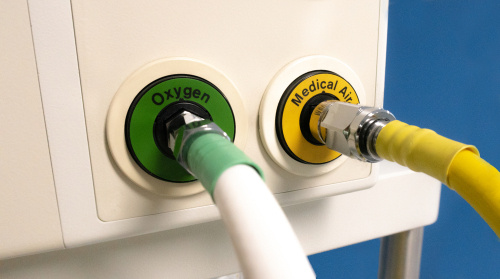
The NFPA 99 – Health Care Facilities Code is intended to provide safety guidelines for protection against fire, explosion, and electrical shock in health care facilities. The requirements in the code are based upon the level of risk to building occupants, rather than the type of building or medical practice. These codes state the criteria for the design and construction of electrical, mechanical, plumbing, and medical gas and vacuum systems. Among the many requirements specified is a source of backup power.
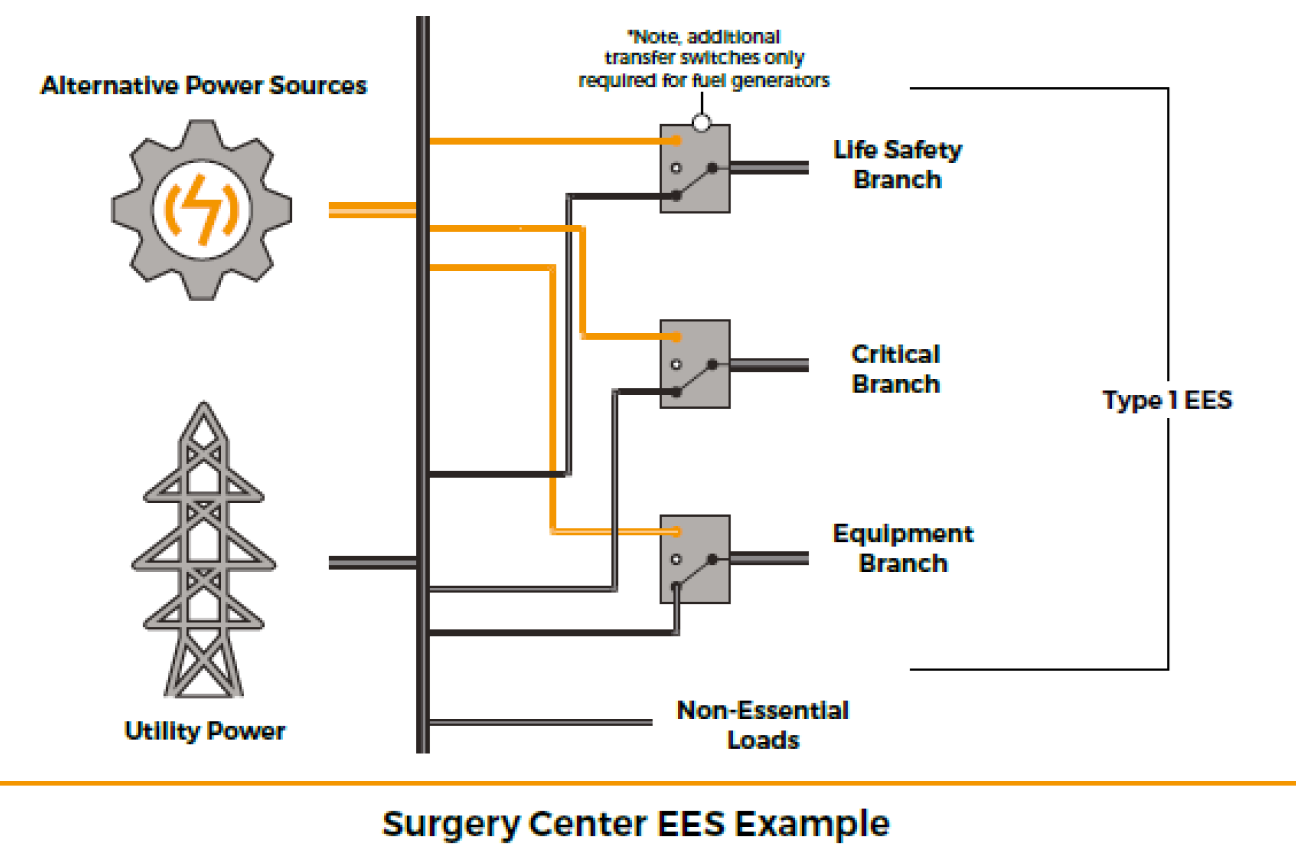
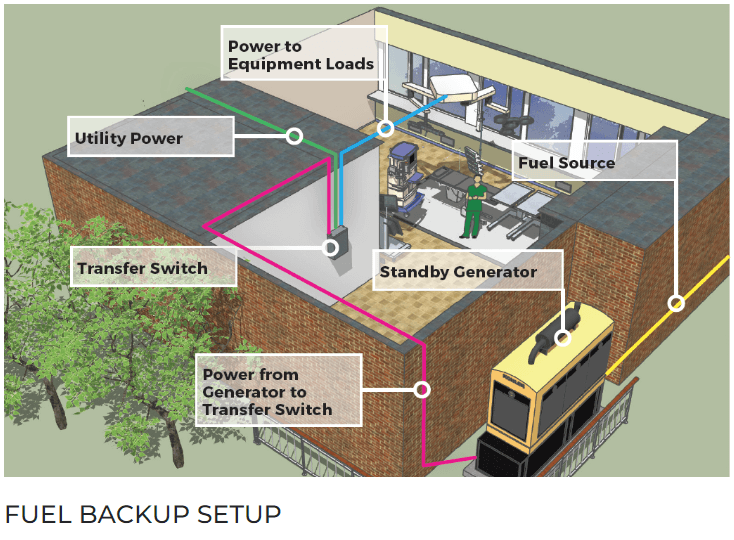
What is an Essential Electrical Systems (EES)? Healthcare facilities are required to have two sources of power – main utility power from the grid, and an alternate power source from an EES. This alternate source is required to provide power to all systems and equipment needed for staff and patient safety, in the event that the ‘normal’ utility power should fail.
EES Branches The NFPA 99 specifies that the EES load be divided into three separate branches that will operate sequentially, in order of importance, in the event of a power outage. The three branches are as follows:
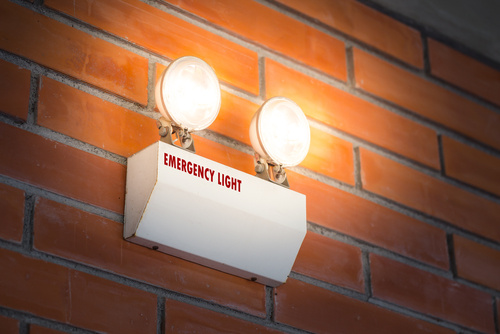
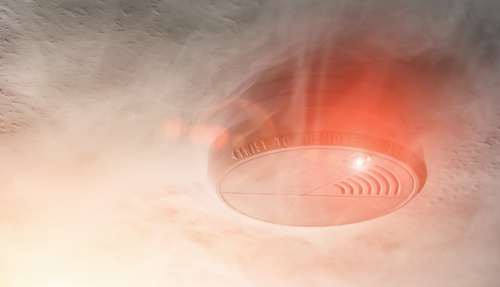
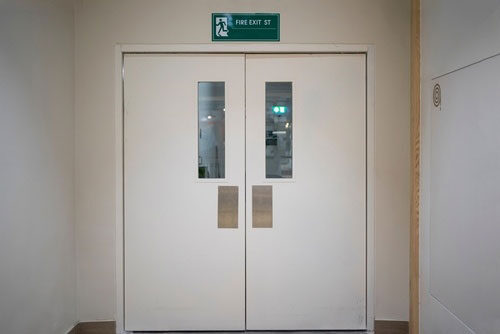
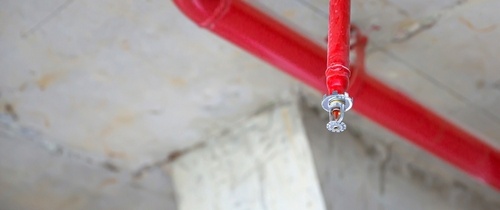
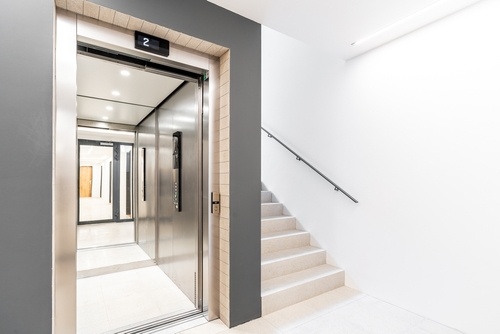
The Life Safety The Life Safety Branch of the EES provides power to all systems related to exiting the building safely in an event of an emergency, including egress lighting and signs, alarm systems, automatic doors, etc.
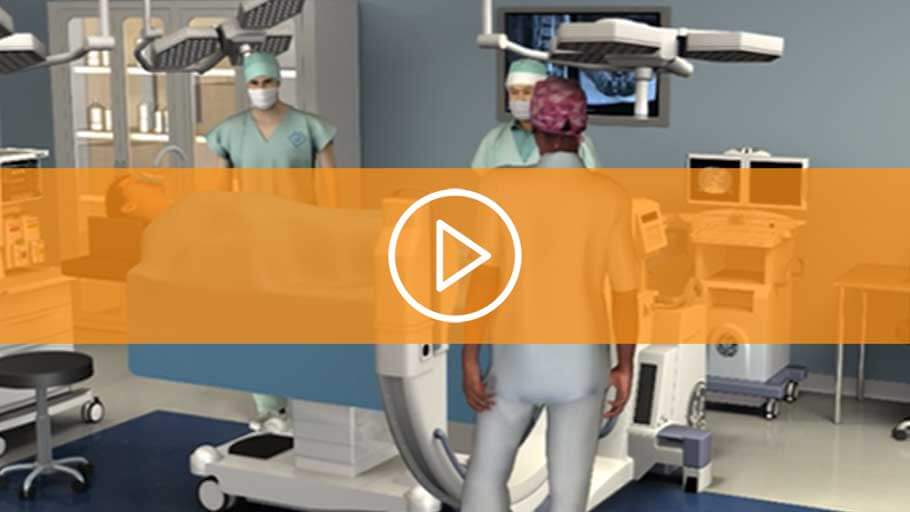
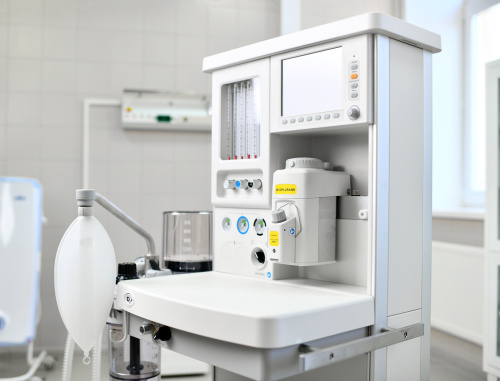
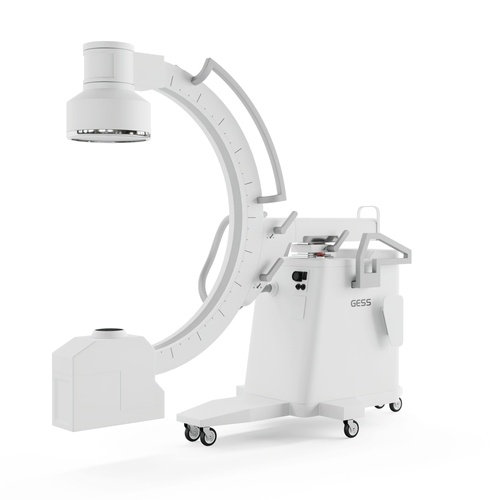
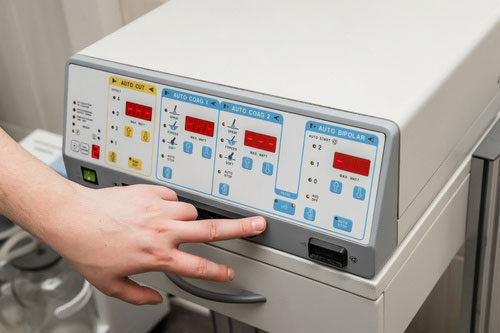
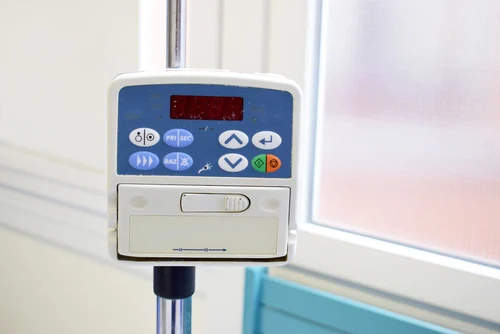
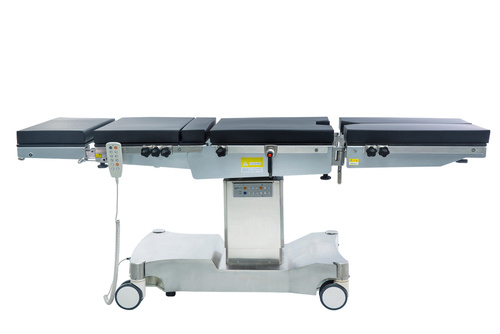
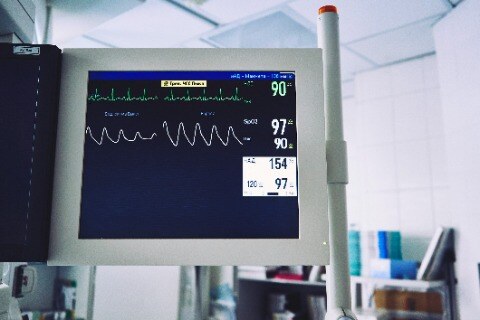
Critical Branch The Critical Branch is to provide power for any systems or equipment related to patient safety, such as the operating room equipment used to perform the surgery.
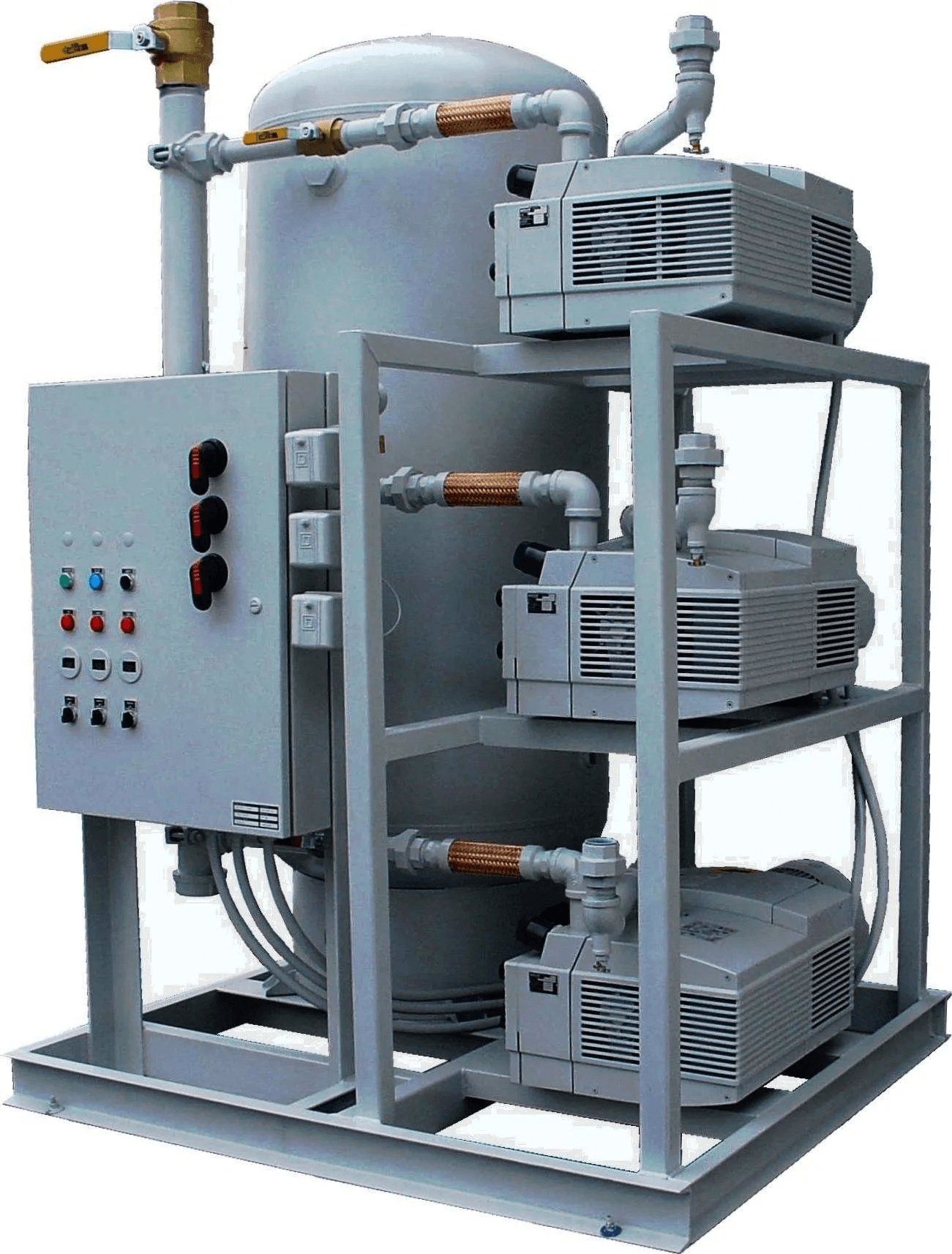
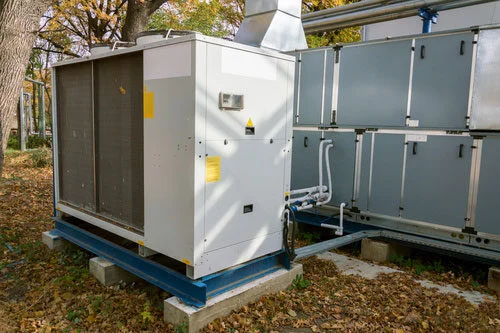
Equipment Branch The Equipment Branch is used to supply power to equipment that is central to the building, such as ventilation and central suction systems.